
Hidradenitis suppurativa
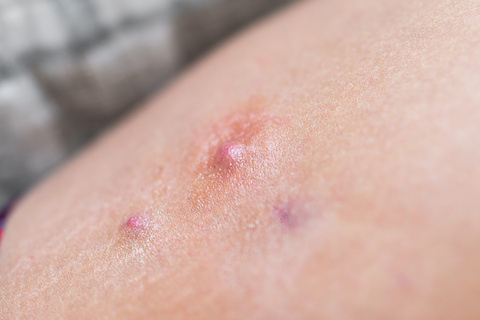
Hidradenitis suppurativa (HS) is a non-contagious chronic skin disease characterized by inflammatory and painful nodules and/or abscesses that usually develop in the major skin fold areas, such as armpits, groin, buttocks, and breasts. In some cases, these lesions can lead to the formation of tunnels under the skin and, eventually, scarring.
This disease usually develops during or after puberty, is reported to be more common in women, and has a worldwide prevalence of around 1%. It has a big impact on patients’ lives due to pain, pus discharge, and malodour, all of which contribute to poor sleep quality and stigmatization. Consequence, hidradenitis suppurativa patients have a high burden of depression, anxiety, and suicidal ideation.
They are also at higher risk of developing inflammatory bowel disease, metabolic diseases, rheumatological disorders, and cardiovascular conditions. Although rare, hidradenitis suppurativa can also present in association with other diseases as complex clinical autoinflammatory syndromes.



Types of hidradenitis suppurativa
Clinicians typically categorize hidradenitis suppurativa using the Hurley staging system, which assesses the severity of the disease based on the presence of scarring and sinus tracts. Stage I involves isolated abscesses and lumps without any permanent scarring or "tunnels" under the skin. Stage II occurs when these abscesses recur and begin to form sinus tracts—narrow channels that leak fluid—alongside visible scarring.
Stage III represents the most severe form, where interconnected tracts and widespread abscesses cover an entire area of the body, such as the armpit or groin. While researchers also recognize atypical variants, such as the 'LC2' or 'conglobata' types that resemble severe acne, the Hurley stages remain the standard for determining whether a patient needs simple medication or intensive surgery.
What causes hidradenitis suppurativa?
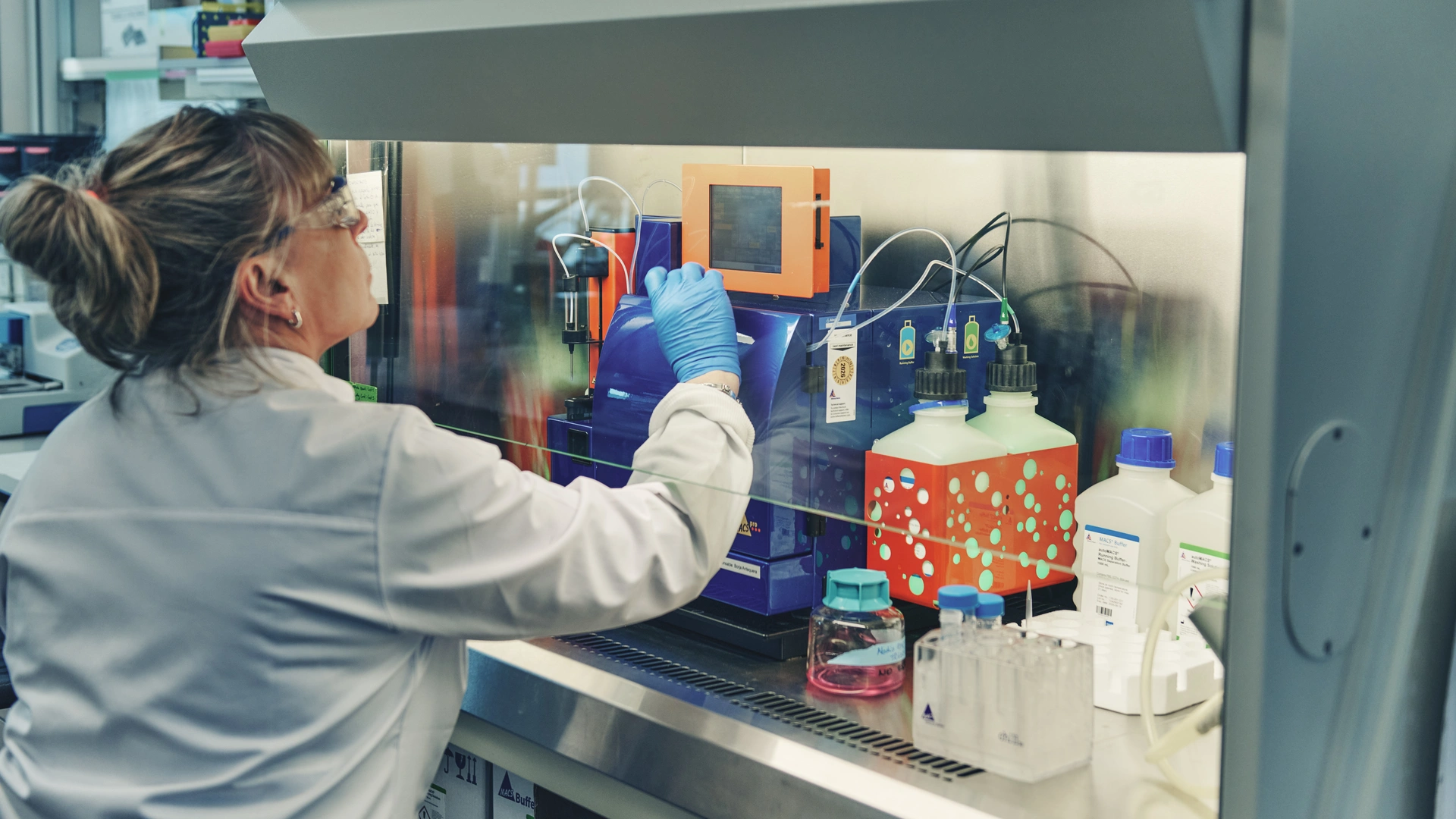
The cause of hidradenitis suppurativa is still unknown, but it is considered a multifactorial disease resulting from a combination of genetic, immunologic, and environmental factors including smoking and obesity. The primary event in hidradenitis suppurativa development is a defect of the hair follicle which leads to follicular plugging and cyst formation. Consequently, the cysts may rupture and cause inflammation.
Diagnosis of hidradenitis suppurativa
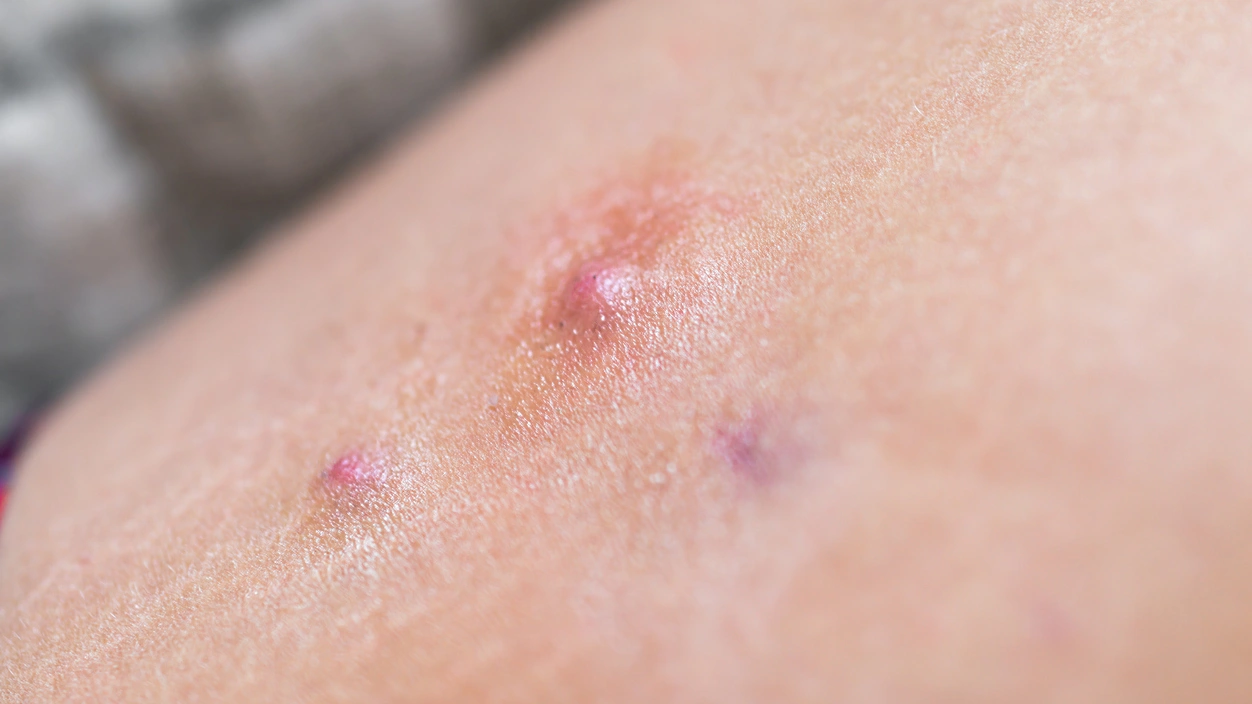
There is currently no standardised procedure for diagnosing hidradenitis suppurativa, and the condition is often misdiagnosed initially as an infection or inflammation of the hair follicles, so it is important to see a healthcare provider if the symptoms persist, return, or appear in different places. Timely diagnosis and treatment of hidradenitis suppurativa is critical to alleviate the burden to patients and avoid scarring.
What are the main signs and symptoms?
Some early signs and symptoms of hidradenitis suppurativa are the appearance of a painful lump that persists for days or weeks and that might drain pus, or blackheads or spots filled with pus in the areas mentioned above. In later stages, pus-draining tunnels may form under the skin with wounds that may not heal easily.
Even though some of the factors that play a role in the development of hidradenitis suppurativa cannot be controlled, living a healthy lifestyle and getting treatment from the early stage of the condition can help to alleviate its symptoms and prevent disease progression.

How to treat hidradenitis suppurativa
While hidradenitis suppurativa remains a chronic condition with no definitive cure, its management focuses on alleviating pain and controlling systemic inflammation through a tiered clinical approach. Mild cases are typically addressed with topical antibiotics and non-steroidal anti-inflammatory drugs (NSAIDs) for pain, whereas more extensive disease necessitates oral antibiotics or antihormonal therapies, the latter of which are particularly effective for female patients with perimenstrual flare-ups.
Acute exacerbations may be managed with intralesional or systemic corticosteroids to rapidly reduce swelling. For persistent or severe cases, biologic agents are utilized to target specific inflammatory pathways within the immune system, and surgical intervention is reserved for chronic, irreversible lesions or when pharmacological treatments fail to provide adequate control.
References
- van Straalen KR, Prens EP, Gudjonsson JE. Insights into hidradenitis suppurativa. J Allergy Clin Immunol. 2022 Apr;149(4):1150-1161. doi: 10.1016/j.jaci.2022.02.003. Epub 2022 Feb 19. PMID: 35189127.
- Zouboulis CC, Benhadou F, Byrd AS, Chandran NS, Giamarellos-Bourboulis EJ, Fabbrocini G, Frew JW, Fujita H, González-López MA, Guillem P, Gulliver WPF, Hamzavi I, Hayran Y, Hórvath B, Hüe S, Hunger RE, Ingram JR, Jemec GBE, Ju Q, Kimball AB, Kirby JS, Konstantinou MP, Lowes MA, MacLeod AS, Martorell A, Marzano AV, Matusiak Ł, Nassif A, Nikiphorou E, Nikolakis G, Nogueira da Costa A, Okun MM, Orenstein LAV, Pascual JC, Paus R, Perin B, Prens EP, Röhn TA, Szegedi A, Szepietowski JC, Tzellos T, Wang B, van der Zee HH. What causes hidradenitis suppurativa?-15 years after. Exp Dermatol. 2020 Dec;29(12):1154-1170. doi: 10.1111/exd.14214. PMID: 33058306.
- Jalenques I, Ciortianu L, Pereira B, D'Incan M, Lauron S, Rondepierre F. The prevalence and odds of anxiety and depression in children and adults with hidradenitis suppurativa: Systematic review and meta-analysis.J Am Acad Dermatol. 2020 Aug;83(2):542-553. doi: 10.1016/j.jaad.2020.03.041. Epub 2020 Mar 25. PMID: 32222447
- British Association of Dermatologists. Hidradenitis suppurativa. Available at: https://www.bad.org.uk/pils/hidradenitis-suppurativa/