
Hidradenitis suppurativa triggering factors
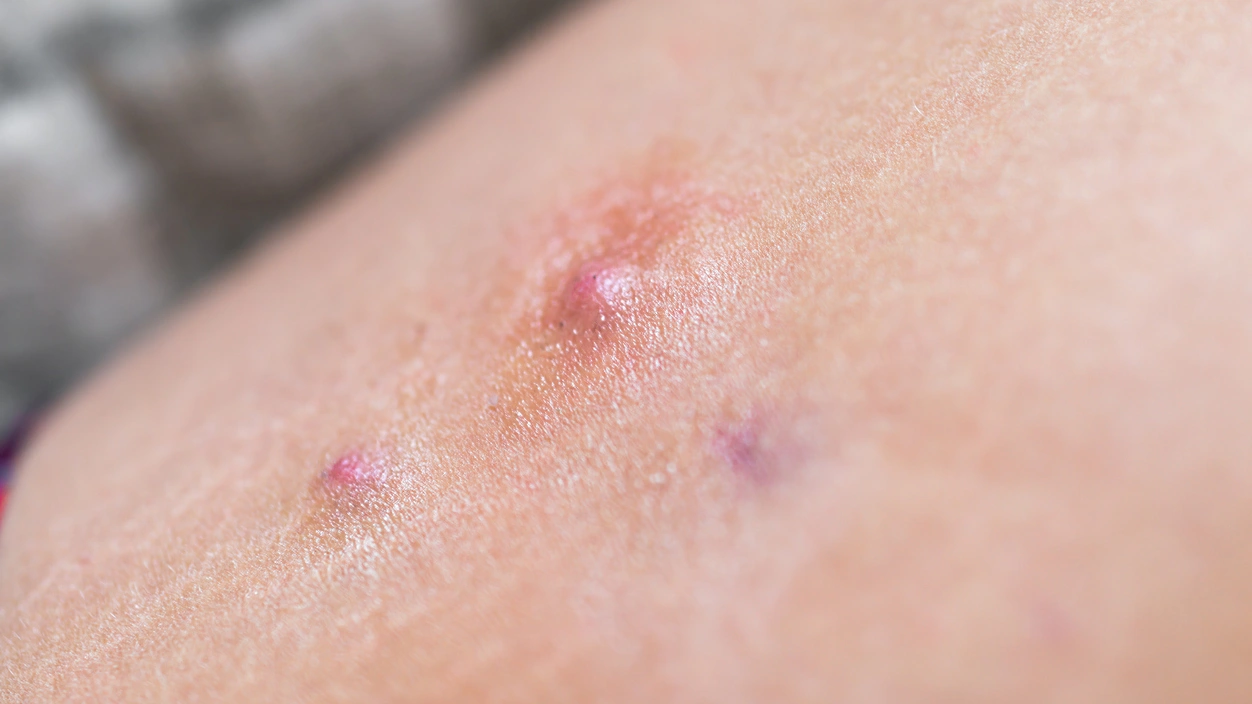
Hidradenitis suppurativa (HS) is a long-term inflammatory skin condition that can significantly affect daily life. It leads to painful, recurring lumps, nodules, and abscesses in areas where hair follicles and sweat glands concentrate, such as the armpits, groin, and beneath the breasts.
Although there is currently no cure, identifying and understanding the factors that trigger flare-ups can help people better control the symptoms of hidradenitis suppurativa and reduce the frequency and intensity of outbreaks.
HS develops through a complex interaction of genetic, immune, hormonal, and lifestyle influences, and no single cause explains why the condition appears or progresses differently from one person to another.
What causes hidradenitis suppurativa?
HS develops when hair follicles become blocked and the immune system responds with excessive inflammation. This process most often affects areas rich in apocrine sweat glands and can lead to swollen, painful nodules that may rupture or form tunnels under the skin. Hidradenitis suppurativa is not an infection, does not spread between people, and has no link to poor hygiene. Instead, it reflects an abnormal inflammatory response within the skin.
Several underlying factors contribute to the onset of HS. Genetic susceptibility plays an important role, as the condition often appears in families. Hormonal influences also matter, given that HS typically begins after puberty and affects women more frequently than men. Immune system dysregulation further amplifies inflammation, increasing the likelihood of persistent or recurrent lesions.
Certain characteristics appear more frequently in people with HS and can worsen the disease’s severity. These include smoking and excess body weight, both of which correlate with more aggressive symptoms. While these factors do not directly cause HS, they can intensify inflammation and make flare-ups harder to control. Understanding these mechanisms helps patients and clinicians focus on modifiable triggers that may reduce symptom burden.
What are the main triggering factors of hidradenitis suppurativa?
There are some factors that may trigger hidradenitis suppurativa flare-ups or worsen the condition:
Excess weight
Excess body weight strongly impacts how severe HS becomes. Increased skin folds create friction, trap moisture, and promote skin breakdown, all of which can aggravate inflammation and block hair follicles. People with a higher body weight often report more frequent flare-ups and slower healing. Even modest weight reduction may help decrease friction and improve symptom control in some individuals.
Excess sweat
Sweating can worsen HS symptoms, particularly in warm environments or during physical activity. Sweat accumulates in areas already prone to HS and mixes with oils and dead skin cells, increasing the risk of follicle blockage. Prolonged moisture also irritates the skin and raises friction levels, which can trigger inflammation and new lesions.
Wearing tight clothing
Tight or restrictive clothing can rub against sensitive areas and repeatedly irritate the skin. This constant friction may worsen existing nodules or contribute to the formation of new ones. Breathable, loose-fitting garments reduce mechanical stress on the skin and help limit irritation, especially during hot weather or prolonged movement.
Shaving affected areas
Shaving areas affected by HS can lead to small cuts and skin irritation, even when done carefully. These minor injuries can inflame hair follicles and worsen symptoms. Many people with HS find that trimming hair or using alternative hair removal methods causes fewer flare-ups. Any change in hair removal routines should be discussed with a dermatologist to avoid unnecessary skin damage.
Smoking
Smoking has a strong link with HS severity. Tobacco chemicals impact immune responses and inflammation, while also affecting how hair follicles function. Smoking can delay wound healing and increase the intensity and frequency of flare-ups. Many people notice symptom improvement after quitting, making smoking cessation an important part of HS management.
An unhealthy diet
Diet may affect inflammation levels in people with HS, although responses vary between individuals. Some report worsening symptoms after consuming highly processed foods, sugary products, or certain dairy items. Diets that focus on whole foods, including vegetables, fruits, whole grains, and lean proteins, may support the overall inflammatory balance. Personalized dietary guidance can help identify potential triggers without H3: without unnecessary restrictions.
Stress
Emotional and psychological stress often coincides with HS flare-ups. Stress can affect hormone levels and immune function, which may intensify inflammation in the skin. Learning to manage stress through techniques such as relaxation exercises, physical activity, counselling, or mindfulness practices may reduce the frequency of flare-ups and improve quality of life.
Skin irritation or injury
Any form of skin trauma can provoke HS symptoms. Friction, rubbing, waxing, or harsh skincare products may irritate hair follicles and trigger inflammation. Protecting sensitive areas, choosing gentle skincare products, and avoiding unnecessary irritation can help reduce the risk of new lesions forming.
Understanding these triggering factors of hidradenitis suppurativa allows people to make informed adjustments to daily habits and work more effectively with healthcare professionals to manage the condition. While triggers vary between individuals, recognizing patterns can play a key role in reducing flare-ups and improving long-term symptom control.
References
- Cleveland Clinic. Alopecia areata: symptoms, causes, treatment & regrowth [Internet]. Cleveland Clinic; last reviewed 2023 Aug 30 [cited 2025 Dec 12]. Available from: https://my.clevelandclinic.org/health/diseases/12423-alopecia-areata#diagnosis-and-tests
- Ma T, Zhang T, Miao F, Liu J, Zhu Q, Chen Z, et al. Alopecia Areata: Pathogenesis, Diagnosis, and Therapies. MedComm (2020). 2025 Apr 21;6(5):e70182. doi:10.1002/mco2.70182. Available from: https://onlinelibrary.wiley.com/doi/full/10.1002/mco2.70182
- Moussa A, Bokhari L, Sinclair RD. Alopecia areata: a review of diagnosis, pathogenesis and the therapeutic landscape. Wound Pract Res. 2022;30(1):24-33. doi:10.33235/wpr.30.1.24-33. Available from: https://journals.cambridgemedia.com.au/wpr/volume-30-number-1/alopecia-areata-review-diagnosis-pathogenesis-and-therapeutic-landscape
- Mayo Clinic. Hidradenitis suppurativa – symptoms and causes [Internet]. 2025 [cited 2025 Dec 12]. Available from: https://www.mayoclinic.org/diseases-conditions/hidradenitis-suppurativa/symptoms-causes/syc-20352306 Mayo Clinic
- Dermatology resources. Hidradenitis suppurativa causes and risk factors [Internet]. [cited 2025 Dec 12]. Available from: https://dermnetnz.org/topics/hidradenitis-suppurativa DermNet®
- HS patient survey. Patient-reported exacerbating factors for hidradenitis suppurativa [Internet]. 2024 [cited 2025 Dec 12]. Available from: https://www.jaad.org/article/S0190-9622%2824%2900543-7/fulltext JAAD