
Hidradenitis suppurativa diagnosis
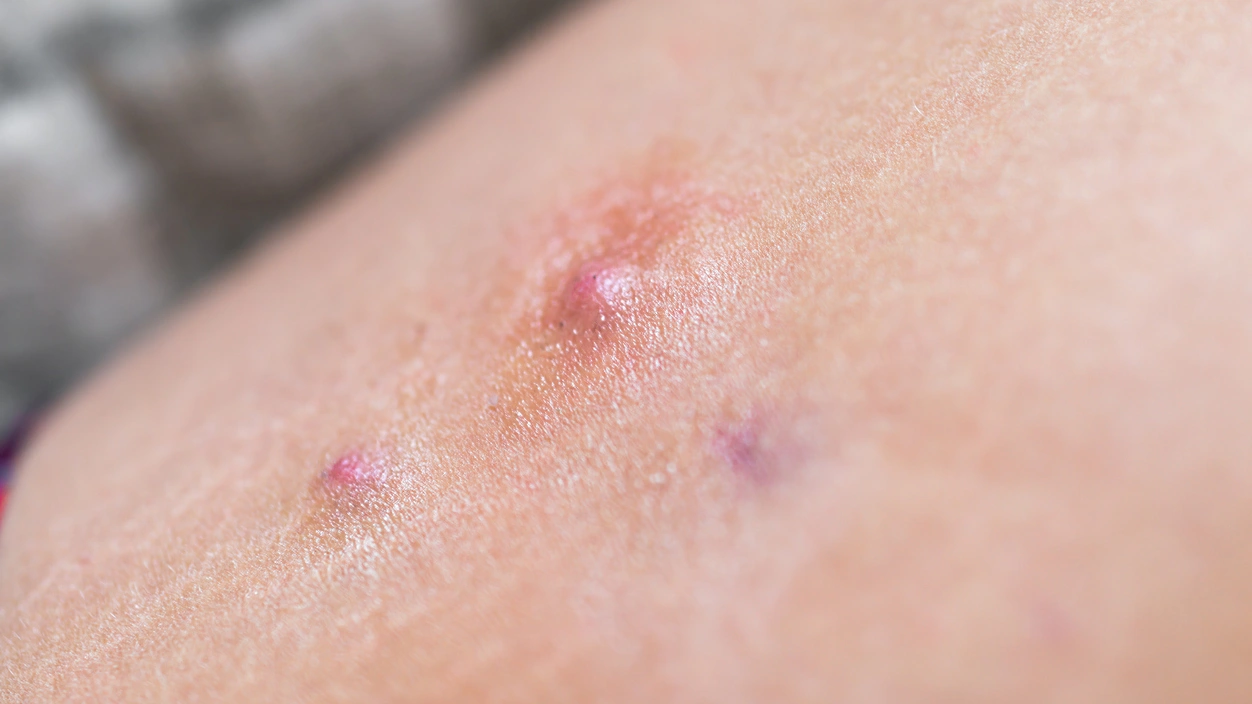
Hidradenitis suppurativa diagnosis
This condition often goes undiagnosed for years. Many of the early symptoms of hidradenitis suppurativa resemble more common conditions such as acne, boils, or infected hair follicles, which leads to misdiagnosis and repeated treatments that fail to address the underlying disease.
Delays in the diagnosis of hidradenitis suppurativa frequently worsen its burden and increase the risk of long-term complications.
The importance of early diagnosis of hidradenitis suppurativa
Early diagnosis of hidradenitis suppurativa allows patients and clinicians to take timely action to control inflammation and limit the disease’s progression. When diagnosis occurs late, HS often progresses from isolated painful lumps to extensive scarring and complex sinus tracts that prove harder to manage.
A prolonged diagnostic delay also increases the likelihood of associated conditions, including obesity, metabolic disorders, and depression. Early recognition makes it easier to tailor treatment strategies, reduce flare-ups, and improve daily functioning and wellbeing.
Without prompt diagnosis of hidradenitis suppurativa, repeated cycles of inflammation and healing can permanently damage the skin. These changes often lead to chronic pain, restricted movement, and a greater need for surgical procedures or long-term medical treatment.

Who can diagnose HS?
General practitioners (GPs) often serve as the first healthcare professionals to assess symptoms of HS. Their role is critical in recognizing recurring patterns of painful lesions in typical body areas and arranging timely referral to specialists.
Dermatologists usually confirm the diagnosis. Their expertise allows them to distinguish HS from other skin conditions with similar appearances and to design an appropriate management plan.
Other healthcare professionals may also contribute to diagnosis and care. Surgeons, gynaecologists, and specialist nurses may become involved when symptoms affect specific anatomical regions or require procedural treatment.
How is hidradenitis suppurativa diagnosed?
Hidradenitis suppurativa is diagnosed clinically. No single blood test, scan, or laboratory investigation confirms the condition. Clinicians rely on a detailed medical history, physical examination, and characteristic disease features.
Clinical criteria
Healthcare professionals typically use three core criteria to diagnose HS:
Typical lesions
Typical distribution
Chronicity and recurrence
What is the diagnostic test for HS?
Currently, no specific diagnostic test confirms hidradenitis suppurativa. Clinicians, instead, use supportive investigations to rule out other conditions and assess the extent of the disease.
Swabs and cultures
Skin swabs can help rule out bacterial infections. Although HS lesions often contain bacteria, infection does not cause the condition. Swabs therefore support diagnosis by ruling out alternative explanations.
Biopsy
Clinicians rarely need a skin biopsy to diagnose HS. In unusual cases or when another condition seems likely, a biopsy may help clarify the diagnosis, but it does not usually alter management.
Imaging
Ultrasound and other imaging techniques do not diagnose HS directly. However, they can reveal hidden abscesses or sinus tracts beneath the skin surface. Imaging can support disease staging and surgical planning.
Blood tests
Blood tests do not diagnose HS. Clinicians may use them to assess overall health or identify associated conditions, but they do not confirm the disease itself.
Early and accurate diagnosis of hidradenitis suppurativa remains essential. Recognizing its characteristic patterns allows timely treatment, reduces complications, and helps patients regain control over a condition that often disrupts both physical comfort and quality of life.
References
- Roustan et al. Hidradenitis Suppurativa: Need for Early Diagnosis and Management of the Disease and Associated Conditions. Actas Dermosifiliográficas. 2019. doi:10.1016/j.adengl.2019.03.018. Actas Dermo-Sifiliográficas
- Hidradenitis suppurativa: Diagnosis and treatment. American Academy of Dermatology. Available from: https://www.aad.org/public/diseases/a-z/hidradenitis-suppurativa-treatment Academia Americana de Dermatología
- Hidradenitis suppurativa (HS). NHS UK. Available from: https://www.nhs.uk/conditions/hidradenitis-suppurativa/
- Hidradenitis Suppurativa – StatPearls. NCBI Bookshelf. Available from: https://www.ncbi.nlm.nih.gov/books/NBK534867/