
Hidradenitis suppurativa signs and symptoms
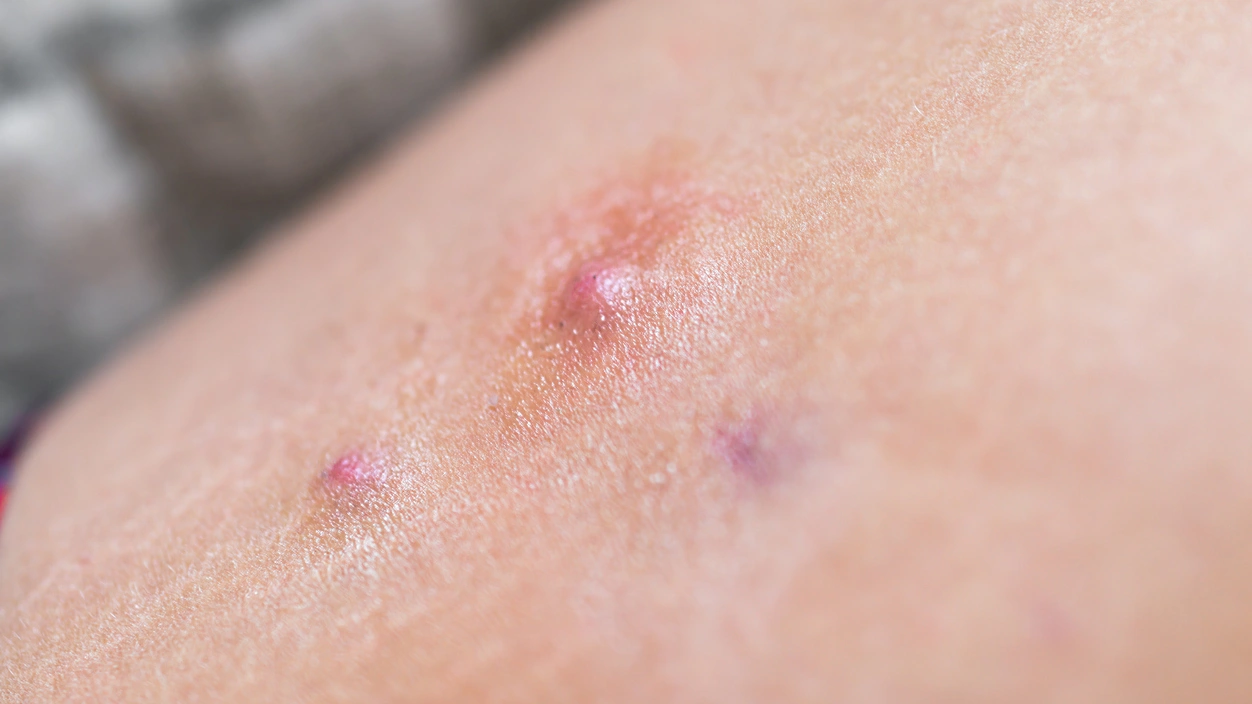
Hidradenitis suppurativa, also known as HS, most commonly appears in the armpits, groin, buttocks, inner thighs, and under the breasts.
People with HS develop recurrent and often painful skin lesions that can range from small, tender lumps to more extensive and persistent complications.
Recognizing the signs and symptoms of hidradenitis suppurativa early plays an important role in accessing appropriate treatment and limiting disease progression.
What are the main signs & symptoms of hidradenitis suppurativa?
Painful nodules and lumps
HS usually begins with deep, tender nodules beneath the skin. Unlike superficial pimples, these lumps sit deeper in the tissue and cause significant discomfort or pain. They often persist for days or weeks and may not fully disappear before new lesions develop nearby. Inflammation around blocked hair follicles drives the formation of these nodules.
Abscesses that rupture and drain
As inflammation increases, nodules can enlarge and fill with fluid or pus, forming abscesses. These lesions often become intensely painful and may rupture on their own. When they drain, they release fluid that can have an unpleasant smell and may contain blood or a cloudy discharge. Repeated swelling and drainage can weaken the surrounding skin and increase sensitivity.
Tunnels (sinus tracts) under the skin
Long-standing inflammation can lead to the development of tunnels beneath the skin surface, known as sinus tracts. These channels connect individual lesions and can remain present even when the skin looks less inflamed. Sinus tracts may leak fluid from time to time and often signal more advanced HS. Many people describe them as deep, cord-like structures or hollow spaces under the skin.
Scarring and skin changes
Repeated cycles of inflammation, rupture, and healing frequently lead to scarring. Over time, affected skin may thicken and develop firm, fibrous tissue that changes its texture and appearance. Scarring can restrict movement, particularly in areas such as the armpits or groin, where stretching and friction occur regularly.
Blackhead-like lesions
Some individuals with HS notice small, dark bumps that resemble blackheads. These often appear in pairs and reflect blocked hair follicles. While blackhead-like lesions can occur early in the disease, they usually appear alongside deeper inflammatory changes rather than as isolated skin findings.
Pain, itch and discomfort
Pain is one of the most challenging symptoms of hidradenitis suppurativa. People describe sensations ranging from burning and pressure to sharp or throbbing pain, which can worsen with movement or friction. Itching also affects many individuals and may intensify before new lesions appear. Together, pain and itching can interfere with sleep, mobility, and daily activities.
Unpleasant odour
Fluid that drains from abscesses or sinus tracts often produces a strong odour. This smell develops as proteins in the discharge break down in warm, moist areas of the skin. Although it does not pose a health risk, it can cause embarrassment and contribute to social withdrawal and emotional distress.
Other symptoms
HS affects more than the skin. Chronic pain, visible lesions, and persistent drainage can lead to anxiety, low mood, and reduced self-confidence. Many people struggle with disrupted sleep, difficulty working, or they avoid social situations. The unpredictable pattern of flare-ups adds further emotional strain, particularly when symptoms interfere with daily plans or relationships.


Variability in symptom expression
Hidradenitis suppurativa does not follow a single, predictable pattern. Some people experience mild disease with occasional painful lumps that heal with little scarring. Others develop widespread involvement with multiple lesions, sinus tracts, and continuous drainage. Symptoms often fluctuate, with periods of improvement followed by sudden worsening. Friction, stress, hormonal changes, and environmental conditions commonly influence this variability and may act as triggering factors of hidradenitis suppurativa.
Because these symptoms can resemble boils, infected hair follicles or other skin conditions, many people experience long delays before receiving a diagnosis for hidradenitis suppurativa. Early lesions may appear minor, and deeper changes such as sinus tracts and scarring develop gradually. Prompt recognition of recurring, painful lesions in typical locations and open discussion with a healthcare professional can support earlier diagnosis and more effective long-term management of the disease.
References
- Hidradenitis Suppurativa Foundation. HS symptoms [Internet]. 2025 [cited 2025 Dec 12]. Available from: https://www.hs-foundation.org/hs-symptoms
- UCB Pharma. Hidradenitis Suppurativa: living with and managing HS [Internet]. 2025 [cited 2025 Dec 12]. Available from: https://www.ucb.com/solutions/diseases/hidradenitis-suppurativa
- Montero-Vilchez T, Diaz-Calvillo P, Rodriguez-Pozo JA, Cuenca-Barrales C, Martinez-Lopez A, Arias-Santiago S, et al. The burden of hidradenitis suppurativa signs and symptoms in quality of life: systematic review and meta-analysis. Int J Environ Res Public Health. 2021;18(13):6709. Available from: https://pubmed.ncbi.nlm.nih.gov/34206415/