
Palmoplantar pustulosis signs & symptoms
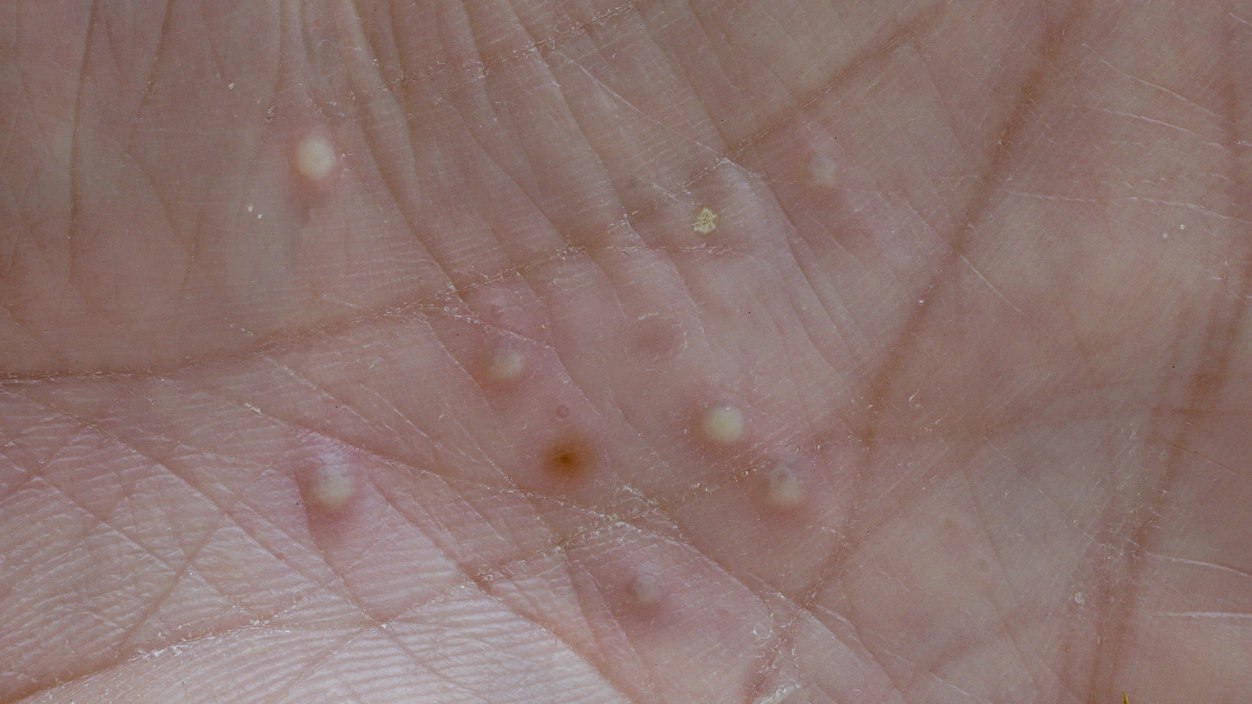
Palmoplantar pustulosis (PPP) is a chronic inflammatory skin condition that belongs to a group of disorders known as pustular dermatoses. The defining feature of palmoplantar pustulosis is the recurring appearance of sterile pustules on reddened, scaly skin. While the condition is rare, recognizing the signs and symptoms of palmoplantar pustulosis can aid in early diagnosis and more effective management.
PPP is more commonly observed in adults, particularly in those of middle age. It is more prevalent in women than men and has strong associations with smoking and other inflammatory or autoimmune conditions, such as psoriasis.
What are the main symptoms of palmoplantar pustulosis?
The primary signs and symptoms of palmoplantar pustulosis usually appear on the palms and soles, though it can also affect nearby areas such as the fingers, toes, and occasionally, the nails. Signs and symptoms tend to appear in cycles, alternating between flare-ups and periods of partial remission.
Pustules on palms and soles
The most characteristic symptom of PPP is the sudden development of multiple small pustules on the skin of the palms and soles. These pustules are filled with sterile fluid and are not caused by infection. They typically start as tiny blisters, which may contain yellow or white fluid, before evolving into brown, scaly patches as they resolve. The recurring formation of pustules can leave the skin feeling rough and uneven, often described as a sensation of tiny bubbles beneath the skin before they burst.
Red and inflamed skin
Before or during the appearance of pustules, the skin on the palms and soles typically becomes red and inflamed. This redness signifies active inflammation, which can extend beyond the immediate area of the pustules. In chronic cases, inflammation can lead to the thickening of the skin as it builds up layers of scale, making it feel hard and less flexible over time.
Pain and burning sensations
Pain and burning sensations are common in areas affected by PPP. This pain may be sharp when pustules form or rupture, and the burning sensation can persist as part of the ongoing inflammation. These discomforts can make routine activities, such as walking, standing, or gripping objects, increasingly difficult. In severe cases, the pain may intensify when cracks develop in the skin or when the skin is under pressure, significantly affecting mobility and daily tasks.
Symmetry and distribution
PPP typically appears symmetrically, affecting both hands and/or both feet. However, in some individuals it may initially affect only one side of the body. Over time, the condition may spread, with new areas becoming affected during flare-ups.
Scaling and dryness
Once the pustules begin to heal, the skin tends to become dry and scaly. These scales can either flake off or remain as thickened patches. This cycle of blister formation, drying, flaking, and re-eruption creates a persistent condition that may be hard to interrupt. The dryness can lead to cracks, especially when the skin thickens and loses flexibility due to repeated inflammation.
Cracks and fissures
As the condition progresses, deep cracks and fissures may develop in the skin of the palms and soles. These fissures can be particularly painful and may become sites for secondary bacterial infections if the skin barrier is compromised. Cracks are most likely to occur at points of high pressure or repeated motion, such as on the ball of the foot, heel, or flexion points on the fingers or palms.
Nail changes
Although less common than skin symptoms, PPP can also affect the nails. Changes in the nails may include thickening, discolouration, pitting, and detachment from the nail bed. These nail changes are similar to those seen in other forms of psoriasis but should be considered carefully to rule out other possible diagnoses.
Itching and irritation
Itching, or pruritus, often accompanies the outbreak of pustules. The itch can range from mild irritation to intense, persistent scratching, which may worsen the inflammation and damage the skin. Unlike some other blistering conditions, the itch in PPP is usually localized to the areas where pustules and redness are present, rather than being widespread.
Impact on daily life
The combination of pustules, pain, scaling, and cracked skin can significantly affect an individual’s quality of life. Everyday tasks, such as walking, handling objects, and performing basic chores, may become difficult or painful. Severe flare-ups can necessitate time off work or adjustments to daily routines to manage pain and protect the affected areas.
References
- British Association of Dermatologists – Palmoplantar pustulosis information for patients and clinicians. https://www.bad.org.uk/pils/palmoplantar-pustulosis
- National Organization for Rare Disorders – Overview of palmoplantar pustulosis symptoms and risk factors. https://rarediseases.org/rare-diseases/palmoplantar-pustulosis/
- NIH Rare Diseases Information – Details on disease characteristics and clinical presentation. https://rarediseases.info.nih.gov/diseases/12820/palmoplantar-pustulosis