
Palmoplantar pustulosis treatments
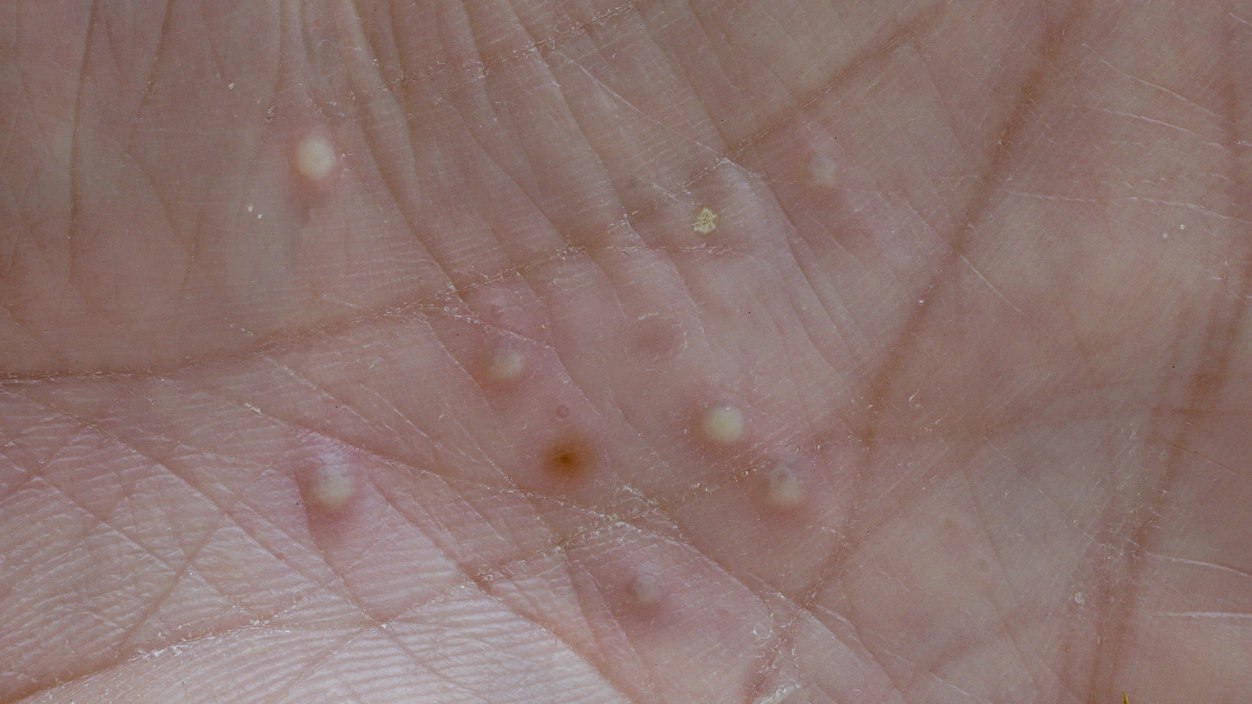
Palmoplantar pustulosis (PPP) is a chronic inflammatory skin condition that primarily affects the palms of the hands and soles of the feet. It causes recurring flare-ups of sterile pustules, redness, scaling, and cracks, which can be painful and significantly impair daily activities.
Although PPP shares similarities with psoriasis, it is usually limited to the palms and soles and is often more difficult to treat. Effective treatments for palmoplantar pustulosis aim to reduce inflammation, alleviate pain, and improve quality of life.

Can palmoplantar pustulosis be cured?
Currently, there is no cure for this skin condition. Most treatments focus on managing the signs and symptoms of palmoplantar pustulosis, alleviating discomfort, and reducing the frequency and severity of flare-ups. The disease often goes through cycles of remission and exacerbation, making it necessary to adapt treatment strategies over time. A combination of therapies, including topical treatments, phototherapy, and systemic medications, tends to provide the best outcomes for most individuals.
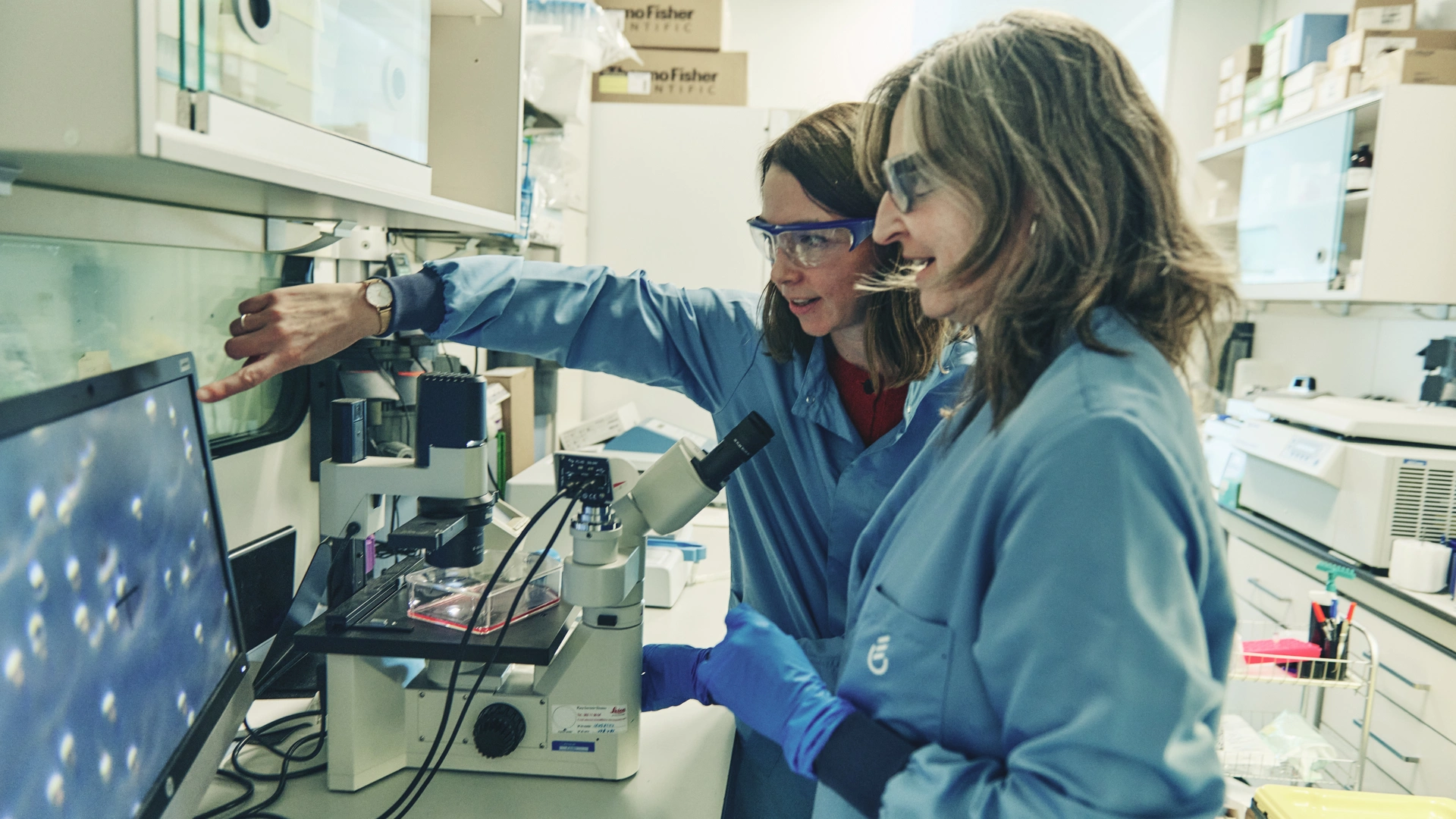
Research is ongoing to discover more effective treatments for palmoplantar pustulosis, and clinical trials are investigating new medications that specifically target the inflammatory processes behind PPP.
What are the treatments for palmoplantar pustulosis?
Treatment for PPP varies depending on the severity of symptoms, the extent of skin involvement, and individual patient needs. Options range from topical treatments to more aggressive systemic therapies, with many patients benefiting from a combination of approaches.

Topical therapies
Topical treatments often serve as the first-line treatment, particularly for mild to moderate cases. High-potency corticosteroid creams and ointments are commonly prescribed to reduce inflammation and suppress pustule formation. To enhance the absorption of these treatments, clinicians may recommend applying them under occlusion, such as with gloves or dressings.
In addition to corticosteroids, vitamin D analogues and tar-based ointments may be used to complement the steroid treatment. Vitamin D analogues help regulate skin cell turnover and modulate the immune response, while tar-based ointments can reduce scaling and thickening of the skin. Regular use of moisturizers is also crucial to maintain the skin’s protective barrier and prevent excessive dryness and fissures.
Phototherapy
Phototherapy is another non-invasive option, especially when topical treatments are not effective on their own. PUVA (psoralen plus UVA) and narrow-band UVB light therapy use ultraviolet light to slow down the growth of skin cells and reduce inflammation.
These treatments typically require multiple sessions per week over several weeks to show significant benefits.
For some patients, combining phototherapy with systemic agents, such as retinoids, may enhance the effectiveness of the treatment and shorten the duration of therapy.
Classical systemic treatments
For more persistent or severe cases of PPP, healthcare professionals may turn to oral medicines that influence immune function or skin cell turnover. Retinoids, such as acitretin, are commonly used in the treatment of PPP. These vitamin A derivatives can help reduce pustulation and the thickening of the skin (hyperkeratosis). However, retinoids require close monitoring, especially for women of childbearing potential, due to the risk of birth defects.
Immunosuppressive drugs, including methotrexate and ciclosporin, are also used in more severe cases. These medications work by suppressing the immune system, which reduces inflammation. However, they can have significant side effects and are typically reserved for patients with severe or treatment-resistant PPP.
References
- British Association of Dermatologists. Palmoplantar pustulosis patient information [Internet]. Available from: https://www.bad.org.uk/pils/palmoplantar-pustulosis
- Xu JM, Smith C. An update on therapeutic options for palmoplantar pustulosis. PubMed [Internet]. 2023 [cited 2025 Dec 15]. Available from: https://pubmed.ncbi.nlm.nih.gov/36970858/
- Apex Clinical Research Center. The future of palmoplantar pustulosis treatment [Internet]. Available from: https://apexclinicalresearchcenter.com/uncategorized/the-future-of-palmoplantar-pustulosis-treatment-is-being-written-in-clinical-trials/
- National Organization for Rare Disorders. Palmoplantar pustulosis [Internet]. Available from: https://rarediseases.org/es/rare-diseases/palmoplantar-pustulosis/