
Acne treatments


How to treat acne
There is not no single effective treatment for acne, so sometimes a combination of treatments is recommended.
Since acne lesions take at least eight weeks to mature, the treatment must be maintained for a minimum of two to three months before deciding if it is effective.
Acne pre-treatment evaluation
To decide the most appropriate treatment for acne for each individual, the following information is required the following information from the medical history and physical examination:
Clinical type and severity of acne
To determine the types of treatment required.
To determine the types of treatment required.
Skin type
Dry or oily, helping to choose a topical pharmacological vehicle. This choice is important because it conditions the effectiveness of treatment by affecting absorption and duration of action. Topical vehicles are the medication, such as ointment, cream, gel, lotion, spray or powder.
Dry or oily, helping to choose a topical pharmacological vehicle. This choice is important because it conditions the effectiveness of treatment by affecting absorption and duration of action. Topical vehicles are the medication, such as ointment, cream, gel, lotion, spray or powder.
Presence of acne scars
This will indicate the need to consider a more aggressive therapy and treatment for acne.
This will indicate the need to consider a more aggressive therapy and treatment for acne.
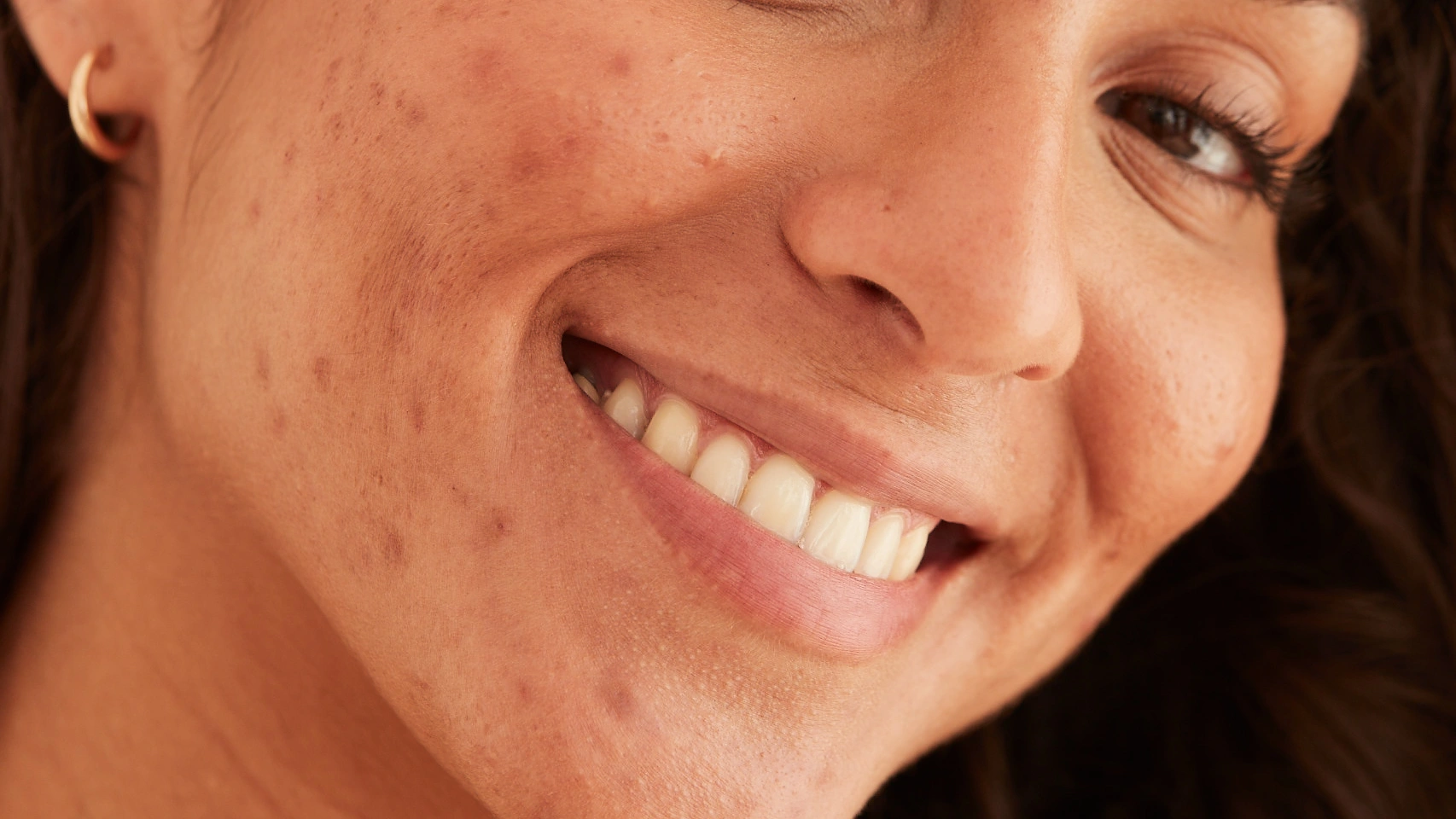
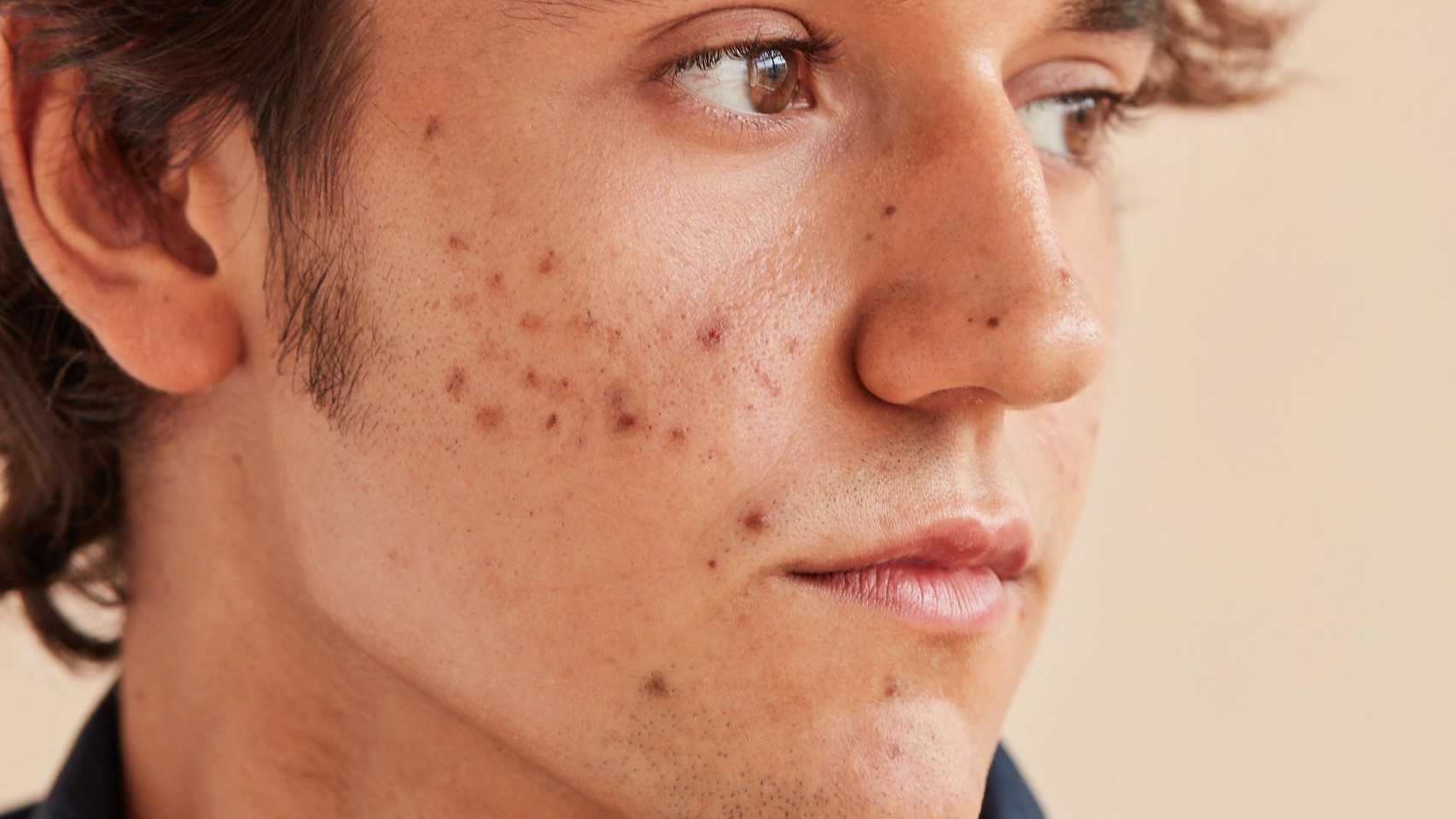
Presence of post-inflammatory erythema or hyperpigmentation
This helps determine whether treatments for these signs should be considered.
This helps determine whether treatments for these signs should be considered.
Periodicity of the menstrual cycle and history of signs of hyperandrogenism in women
To help determine the need of additional lab tests and prescription of hormone treatments.
To help determine the need of additional lab tests and prescription of hormone treatments.
Skincare habits and previous acne treatments
To identify potential issues in skin care and previous treatments that may have worked or not.
To identify potential issues in skin care and previous treatments that may have worked or not.
Cosmetic products or other medications
To identify products that may favour the occurrence of acne.
To identify products that may favour the occurrence of acne.
Psychological impact of acne on the patient
It helps to determine the need of a more aggressive treatment approach or psychological support.
It helps to determine the need of a more aggressive treatment approach or psychological support.

Maintenance of acne treatment
Skincare is essential for the treatment of acne. For the treatment to be more effective, some habits must be followed.
Skin hygiene
The face should not be washed more than twice a day with warm water (not hot) and a mild facial cleanser without soap. It is not recommended to use face cloths or sponges or rub the face because this may worsen acne and damage skin. Pimples should not be squeezed because this may worsen acne and cause swelling and leave scars on the skin, or cause lesions to become infected.
Moisturizing creams
The use of a moisturizing cream reduces skin dryness and, therefore, desquamation. You must use creams with labels indicating that they are non-comedogenic to reduce the probability of skin pores becoming blocked.
Sun protection
Some acne treatments, such as retinoids or doxycycline, increase skin sensitivity to sunlight, so it is advisable to avoid excessive sun exposure and always use a sun protection factor (SPF) of 30 or higher, which blocks both ultraviolet A (UVA) and ultraviolet B (UVB) radiation.
References
- Zaenglein, A.L., Pathy, A.L., Schlosser, B.J., Alikhan, A., Baldwin, H.E., Berson, D.S., et al. Guidelines of care for the management of acne vulgaris. J Am Acad Dermatol [Internet]. 2016 May 1;74(5):945-973.e33. Available at: https://www.ncbi.nlm.nih.gov/pubmed/26897386. doi: 10.1016/j.jaad.2015.12.037.
- Nast, A., Dréno, B., Bettoli, V., et al. European evidence-based (S3) Guidelines for the treatment of acne. J Eur Acad Dermatol Venereol [Internet]. 2012;26 Suppl 1:1–29. Available at: https://www.ncbi.nlm.nih.gov/pubmed/22356611. doi:10.1111/j.1468-3083.2011.04374.x
- European Academy of Dermatology and Venereology (EADV). Acne: how to treat it [Internet]. 2020. Available at: https://www.eadv.org/cms-admin/showfile/9635-EADV%20Acne_2%20How%20to%20treat%20it.pdf