Scope 1 & 2 emissions (market-based)
6,864
2024: 5,742
2025: 5,339
Target 2030: -50%

At Almirall, improving the lives of our patients goes hand in hand with protecting the environment we all share. We believe that leaving a positive footprint is only possible through responsible action. That’s why we drive concrete initiatives through our net-zero emissions strategy, while actively working on water stewardship, circular economy, and nature conservation.

We are committed to taking decisive climate action to become a net-zero emissions company by 2050. Our near-term goal is to reduce emissions by 50% from our own operations and by 28% from our value chain by 2030 versus the 2019 baseline.
Both 2030 and 2050 ambitions have been validated by the Science-Based Targets initiative (SBTi) to ensure they align with the latest climate science and the goals of the Paris Agreement.
To ensure transparency and credibility, our full value chain carbon footprint has been verified by an accredited external auditor, enabling robust and reliable progress tracking.
Our roadmap to reduce direct and indirect emissions is built on six strategic pillars:
Energy efficiency
Ongoing implementation of efficiency measures across all sites
Sustainable mobility
Promotion of hybrid, plug-in hybrid, and electric vehicles through fleet policies
Low-carbon refrigerants
Replacement of high-impact refrigerants with low-carbon alternatives
Supply chain decarbonization
Expansion of the “Net Zero Supplier Engagement” programme
Phase-out of natural gas
Strategic upgrades including electric heating/cooling systems, biomass boilers, and solvent emission treatment plants
Renewable energy
Use of 100% renewable electricity and increased photovoltaic capacity at our facilities
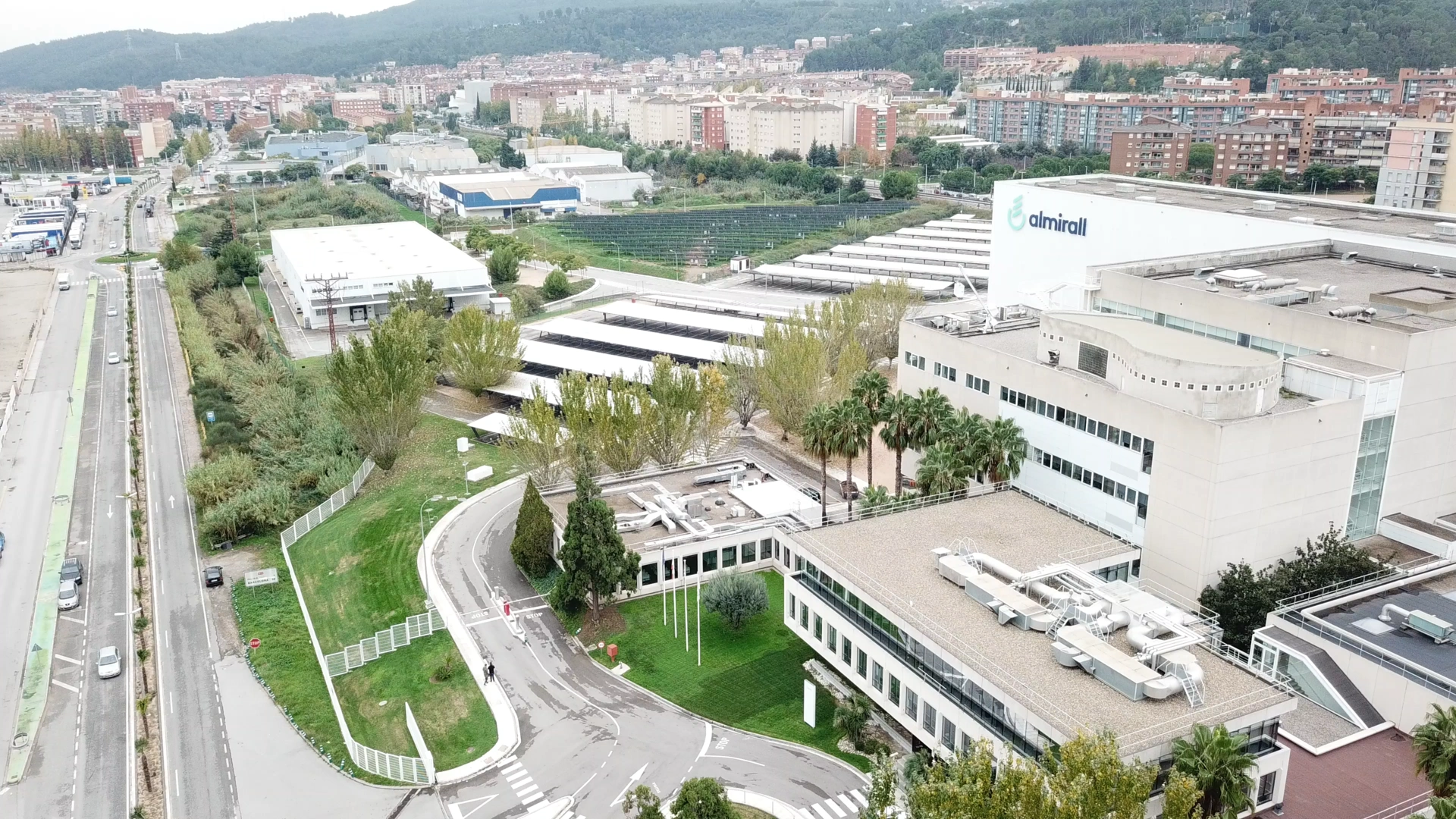
A cornerstone of our environmental strategy is the energy masterplan, which identifies key investment areas for the coming years. Beyond efficiency, it also focuses on renewable energy across all business units.
Currently, 100% of electricity consumed at our Spanish and German plants comes from renewable sources. Our Spanish facilities have held ISO 50001 certification since 2013, and our German sites since 2016.

Our climate risk and opportunity strategy is aligned with the recommendations of the Task Force on Climate-related Financial Disclosures (TCFD).
Since 2022, Almirall has adopted Science-Based Targets (SBTi) with medium-term goals for 2030 and long-term goals for 2050. We monitor key environmental indicators, including:
| Year | 2019 | 2024 | 2025 | Target 2030 |
|---|---|---|---|---|
| Scope 1 & 2 emissions (market-based) | 6,864 | 5,742 | 5,339 | -50% |
| Scope 3 emissions | 162,838 | 141,899 | 147,365 | -28% |
6,864
2024: 5,742
2025: 5,339
Target 2030: -50%
162,838
2024: 141,899
2025: 147,365
Target 2030: -28%
| Year | 2019 | 2024 | 2025 | Target 2030 |
|---|---|---|---|---|
| Energy consumption (MWh) | 50,388 | 46,267 | 44,189 | -35% |
| Renewable electricity consumption (%) | 100% | 100% | 100% | 100% |
| Self-generated renewable electricity | 5% | 11% | 13% | 18% |
50,388
2024: 46,267
2025: 44,189
Target 2030: -35%
100%
2024: 100%
2025: 100%
Target 2030: 100%
5%
2024: 11%
2025: 13%
Target 2030: 18%
Sustainability is embedded in every aspect of our operations, with targeted initiatives that reflect our environmental commitment.
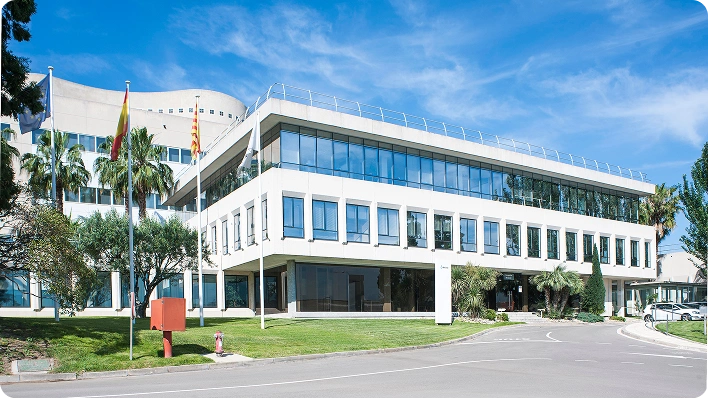
We’ve set a goal to reduce water consumption by 25% by 2030. Our water strategy focuses on:
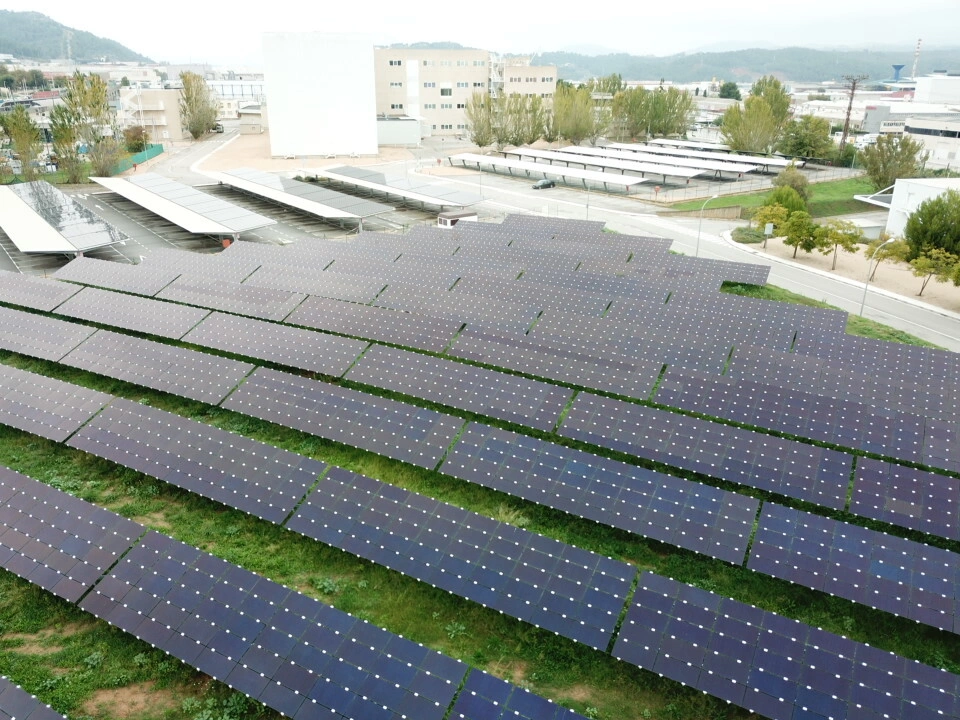
We actively contribute to biodiversity conservation through:
HSE Policy
PDF 161.5KB
2025 CDP Climate and Water Response
PDF 1.5MB